Introduction
Protein is an essential nutrient that helps build and repair muscles, maintain healthy tissues, and support various functions in the body. Whether you want to build muscle, manage your weight, or follow a balanced diet, including protein-rich foods in your daily meals can be beneficial.
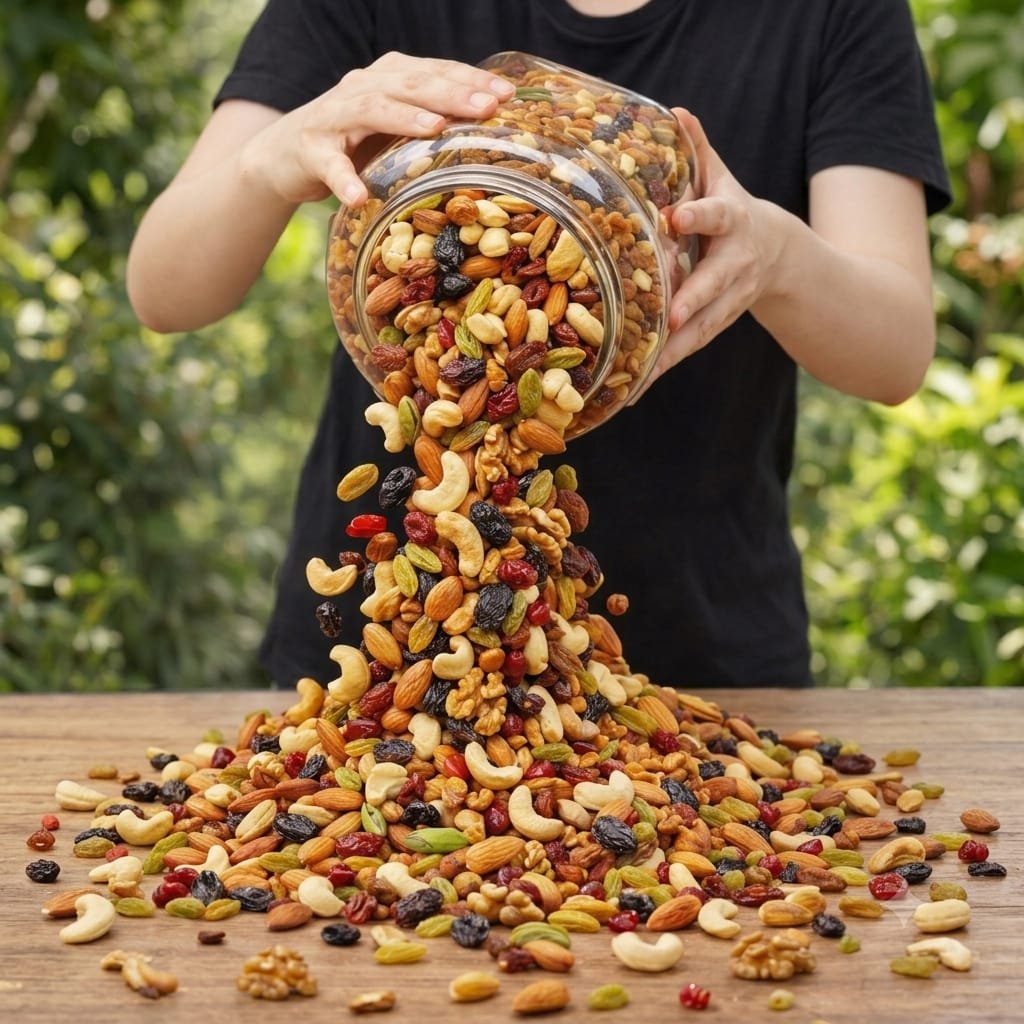
Dry fruits and nuts are popular choices for people looking for convenient and nutritious snacks. They contain important nutrients such as protein, healthy fats, dietary fibre, vitamins, and minerals. However, not all dry fruits provide the same amount of protein.
So, which dry fruits are rich in protein? Almonds, pistachios, peanuts, cashews, and walnuts are some of the best options. Peanuts are technically legumes rather than tree nuts, but they are commonly included in discussions about protein-rich nuts and snacks.
In this guide, we will explore the best protein-rich dry fruits, their nutritional values, their benefits, and how to include them in your daily diet.
Which Dry Fruits Are Rich in Protein?
Several nuts and dried fruits contain protein, but nuts generally provide more protein per 100 grams than dried fruits such as raisins, dates, and figs.
Here are some of the best choices for increasing your protein intake.
1. Almonds
Almonds are among the most popular protein-rich nuts. They are nutritious, easy to carry, and suitable for a variety of diets.
Protein content: Approximately 21 grams per 100 grams.
Benefits of Eating Almonds
- Supports muscle maintenance: Almonds provide plant-based protein that contributes to daily protein intake.
- Provides healthy fats: They contain predominantly unsaturated fats.
- Supports digestive health: Their dietary fibre helps support regular digestion.
- Provides essential nutrients: Almonds contain vitamin E, magnesium, and other beneficial nutrients.
How to Eat Almonds
Eat a small handful of almonds as a snack, add chopped almonds to oatmeal, or mix them into homemade smoothies. Soaking almonds overnight is optional and does not significantly increase their protein content.
2. Pistachios
Pistachios are another excellent option for people looking for high-protein nuts. Their distinctive flavour makes them a popular snack.
Protein content: Approximately 20 grams per 100 grams.
Benefits of Eating Pistachios
- Contribute plant-based protein to your diet.
- Provide fibre that supports digestive health.
- Contain potassium, vitamin B6, and other essential nutrients.
- Offer a satisfying combination of protein, fibre, and healthy fats.
How to Eat Pistachios
Choose unsalted pistachios whenever possible. Enjoy them as a snack or add them to salads, yoghurt, porridge, and homemade trail mixes.
3. Peanuts
Peanuts are one of the most affordable and protein-rich options commonly available in India. Although they are legumes, their nutritional profile makes them a popular alternative to other nuts.
Protein content: Approximately 26 grams per 100 grams.
Benefits of Eating Peanuts
- Provide a relatively high amount of plant-based protein.
- Contain healthy unsaturated fats.
- Supply niacin, magnesium, and other important nutrients.
- Can be included in vegetarian diets and everyday snacks.
How to Eat Peanuts
Enjoy roasted peanuts, add them to poha or salads, or use natural peanut butter as a spread. Choose products with minimal added salt and sugar.
People with peanut allergies should avoid peanuts and products containing them.
4. Cashews
Cashews have a creamy texture and a mildly sweet flavour. They are useful for adding nutrients and variety to a balanced diet.
Protein content: Approximately 18 grams per 100 grams.
Benefits of Eating Cashews
- Provide plant-based protein.
- Contain copper, magnesium, and zinc.
- Supply unsaturated fats.
- Can be used in both sweet and savoury dishes.
How to Eat Cashews
Add a small serving of cashews to breakfast bowls, vegetable dishes, or homemade trail mixes. Unsalted, dry-roasted cashews are convenient options for everyday snacking.
5. Wutsaln
Walnuts are especially known for their alpha-linolenic acid (ALA), a plant-based omega-3 fatty acid. They also provide protein and several important minerals.
Protein content: Approximately 15 grams per 100 grams.
Benefits of Eating Walnuts
- Contribute protein to a balanced diet.
- Provide plant-based omega-3 fatty acids.
- Contain antioxidants and other beneficial plant compounds.
- Add flavour and texture to meals.
How to Eat Walnuts
Add chopped walnuts to oatmeal, salads, smoothies, or whole-grain breakfast dishes. A small serving is usually enough because walnuts are energy-dense.
6. Hazelnuts
Hazelnuts are nutritious nuts that contain protein, fibre, healthy fats, and vitamin E.
Protein content: Approximately 15 grams per 100 grams.
Benefits of Eating Hazelnuts
- Contribute plant protein to daily meals.
- Provide vitamin E and manganese.
- Contain unsaturated fats.
- Work well in homemade snacks and breakfast recipes.
How to Eat Hazelnuts
Enjoy plain hazelnuts, mix them with other nuts, or add chopped pieces to oatmeal and homemade energy bites.
Brazil Nuts
Brazil nuts are recognised for their selenium content. They also provide protein, healthy fats, and other minerals.
Protein content: Approximately 14 grams per 100 grams.
Benefits of Eating Brazil Nuts
- Provide some plant-based protein.
- Contain selenium, which supports normal thyroid function.
- Supply unsaturated fats.
- Add variety to a nutrient-rich diet.
How to Eat Brazil Nuts
Eat them occasionally in small quantities. Brazil nuts can contain very high amounts of selenium, so eating several every day may lead to excessive selenium intake.
8. Raisins
Raisins are dried grapes that provide natural sugars, carbohydrates, fibre, and small amounts of protein.
Protein content: Approximately 3 grams per 100 grams.
Benefits of Eating Raisins
- Provide quick energy from carbohydrates.
- Contain small amounts of protein.
- Supply dietary fibre and potassium.
- Can add natural sweetness to breakfast and snacks.
How to Eat Raisins
Add a small portion of raisins to oatmeal, porridge, homemade trail mixes, or yoghurt. Remember that raisins are lower in protein than nuts and contain concentrated natural sugars.
9. Dried Figs
Dried figs are a source of fibre, natural carbohydrates, and minerals. They are particularly useful for adding sweetness and texture to meals.
Protein content: Approximately 3 grams per 100 grams.
Benefits of Eating Dried Figs
- Provide dietary fibre.
- Supply minerals such as calcium and potassium.
- Contribute a small amount of protein.
- Can help add variety to a balanced diet.
How to Eat Dried Figs
Eat one or two dried figs as part of a snack or chop them into breakfast cereal. Pair them with almonds or pistachios to increase the overall protein content.
10. Dates
Dates are naturally sweet fruits that contain carbohydrates, fibre, and small amounts of protein. They are popular in Indian households and can be used as a natural sweetener in various recipes.
Protein content: Approximately 2 grams per 100 grams.
Benefits of Eating Dates
- Provide energy from carbohydrates.
- Contain dietary fibre and potassium.
- Contribute small amounts of protein.
- Work well in homemade snacks and desserts.
How to Eat Dates
Enjoy one or two dates with a few almonds or walnuts. You can also blend dates into smoothies or use them in homemade energy balls.
Top 10 Protein-Rich Dry Fruits Compared
The following table compares the approximate protein content of popular nuts and dried fruits.
| Dry fruit or nut | Protein per 100 g |
|---|---|
| Peanuts | 26 g |
| Almonds | 21 g |
| Pistachios | 20 g |
| Cashews | 18 g |
| Walnuts | 15 g |
| Hazelnuts | 15 g |
| Brazil nuts | 14 g |
| Raisins | 3 g |
| Dried figs | 3 g |
| Dates | 2 g |
Note: Values are approximate and can vary according to the variety, growing conditions, processing method, and preparation. Peanuts are legumes, not botanical tree nuts.
The table shows that peanuts, almonds, and pistachios are particularly useful choices when your main goal is to increase protein intake. Dried fruits such as raisins, figs, and dates are better viewed as sources of energy, fibre, and other nutrients rather than major protein sources.
Which Dry Fruit Has the Highest Protein?
Among the options listed above, peanuts have the highest protein content, at approximately 26 grams per 100 grams. Almonds and pistachios are also excellent choices, providing around 21 grams and 20 grams of protein per 100 grams, respectively.
If you prefer traditional tree nuts, almonds and pistachios are practical options. If affordability is important, peanuts can be a budget-friendly source of plant protein.
However, eating 100 grams of nuts in one sitting is not necessary. Nuts are calorie-dense, so a smaller portion can contribute meaningfully to a balanced diet.
Benefits of Eating Protein-Rich Dry Fruits
Adding nuts to your diet can provide several nutritional benefits. The effects depend on your overall eating pattern, portion sizes, and lifestyle.
1. Supports Muscle Growth and Repair
Protein supplies amino acids that the body uses to build and repair muscle tissue. Eating protein-rich nuts can help contribute to your daily protein needs, especially when combined with other protein sources.
For muscle growth, include a variety of foods such as lentils, beans, dairy products, soy foods, eggs, or other suitable protein sources alongside nuts.
2. Helps You Feel Full
Nuts contain a combination of protein, fibre, and fat. These nutrients can help make snacks more satisfying, which may help you manage hunger between meals.
Choose appropriate portions because nuts are energy-dense.
3. Provides Essential Nutrients
Protein-rich nuts provide more than protein. Depending on the variety, they also supply magnesium, vitamin E, copper, zinc, potassium, and other nutrients that support normal body functions.
4. Supports a Balanced Vegetarian Diet
Nuts and peanuts are convenient sources of plant protein for vegetarians. They can complement lentils, beans, chickpeas, tofu, paneer, milk, and yoghurt to help create a varied and balanced diet.
5. Offers Convenient Snacking Options
Nuts are portable, require little preparation, and can be stored for convenient use. A small container of unsalted almonds, pistachios, or peanuts can be an easy alternative to snacks that are high in added salt or sugar.
How Many Protein-Rich Dry Fruits Should You Eat Daily?
For most adults, a small handful of nuts—approximately 25 to 30 grams per day—is a practical starting point. The ideal amount depends on your calorie needs, activity level, dietary pattern, and personal health requirements.
A mixed serving may include almonds, pistachios, and a few cashews or walnuts.
Suggested Daily Portion
| Nut | Example serving | Approximate protein |
|---|---|---|
| Almonds | 10 almonds (about 12 g) | 2.5 g |
| Pistachios | 20 kernels (about 12 g) | 2.4 g |
| Peanuts | 25 g | 6.5 g |
| Cashews | 15 g | 2.7 g |
| Walnuts | 15 g | 2.3 g |
These are examples, not portions that should all be eaten together. Protein estimates vary with size and preparation.
Tips for Eating Nuts Daily
- Choose plain or unsalted varieties most of the time.
- Measure portions if you are monitoring your calorie intake.
- Combine nuts with fruit, yoghurt, or whole grains for a more varied snack.
- Store nuts in airtight containers in a cool, dry place.
- Avoid nuts that smell rancid or show signs of mould.
Best Protein-Rich Dry Fruits for Different Goals
Different nuts can suit different dietary priorities.
Best Dry Fruits for Muscle Building
Peanuts, almonds, and pistachios are useful choices because they contain relatively high amounts of protein. However, nuts alone may not supply all the protein required for muscle building.
Include adequate protein across meals, consume enough overall calories, and follow an appropriate resistance-training programme.
Best Dry Fruits for Weight Management
Almonds, pistachios, and peanuts can be satisfying snack options when eaten in moderate portions. Choose unsalted varieties and avoid assuming that unlimited quantities are beneficial simply because the foods are nutritious.
Best Dry Fruits for Vegetarians
Almonds, pistachios, cashews, and peanuts can contribute to a vegetarian diet. For larger amounts of protein, combine them with lentils, chickpeas, beans, soy products, milk, or yoghurt.
Best Budget-Friendly Protein-Rich Option
Peanuts are often among the most affordable protein-rich options available in India. Roasted peanuts or plain peanut butter can be convenient additions to breakfast and snacks.
How to Add Protein-Rich Dry Fruits to Your Daily Diet
You do not need to eat nuts on their own to benefit from their nutrients. Try incorporating them into familiar meals.
1. Add Nuts to Breakfast
Mix chopped almonds, pistachios, or walnuts into oatmeal, porridge, or yoghurt. Combine them with milk or soy milk for additional protein.
2. Prepare a Homemade Trail Mix
Combine a small portion of almonds, pistachios, peanuts, and a few raisins. Keep the portion moderate, particularly if you are monitoring your energy intake.
3. Make a Protein-Rich Smoothie
Blend milk or fortified soy milk with yoghurt or a suitable protein source, a banana, and a small amount of peanut butter or almonds. The protein content will depend on the ingredients and quantities used.
4. Use Nuts in Lunch and Dinner
Sprinkle chopped nuts over salads, vegetable dishes, or grain bowls. They add texture, flavour, and some extra protein.
5. Choose Nuts for Between-Meal Snacks
A small serving of roasted peanuts, almonds, or pistachios can be a convenient afternoon snack. Pairing them with yoghurt or another protein-rich food can increase the total protein in your snack.
Are Dry Fruits Enough to Meet Your Daily Protein Requirements?
No. Although nuts can contribute useful amounts of protein, they should not be your only protein source.
Protein requirements vary according to body weight, age, activity level, and health status. For many healthy adults, a general reference intake is around 0.8 grams of protein per kilogram of body weight per day, although people who exercise regularly or aim to build muscle may require more.
For example, a healthy adult weighing 60 kilograms would need approximately 48 grams of protein daily using the 0.8-gram reference.
A balanced diet can include:
- Pulses and legumes: Lentils, chickpeas, beans, and peas.
- Dairy products: Milk, yoghurt, and paneer.
- Soy foods: Tofu, tempeh, and soy milk.
- Nuts and seeds: Almonds, peanuts, pistachios, pumpkin seeds, and chia seeds.
- Other suitable foods: Eggs, fish, or lean meat for people who include them in their diet.
Combining different protein sources throughout the day is a practical way to meet your nutritional needs.
Common Mistakes to Avoid When Eating Protein-Rich Dry Fruits
Eating Too Many Nuts
Nuts contain substantial calories in small portions. Eating large quantities can increase your calorie intake beyond your needs.
Assuming All Dried Fruits Are High in Protein
Dates, raisins, and dried figs contain some protein, but they are generally much lower in protein than nuts. Choose almonds, pistachios, or peanuts when protein is your main priority.
Choosing Products With Excess Salt or Sugar
Flavoured nuts, sweetened nut mixes, and some commercial spreads may contain added salt, sugar, or oils. Check the nutrition label and ingredient list.
Relying Only on Nuts for Muscle Growth
Muscle development depends on adequate total protein, sufficient energy, resistance training, and recovery. Nuts are helpful additions, but a varied diet is important.
Frequently Asked Questions About Protein-Rich Dry Fruits
Which dry fruit has the highest protein?
Peanuts are the highest-protein option in this guide, providing approximately 26 grams of protein per 100 grams. Among common tree nuts, almonds and pistachios are also strong choices.
Are almonds rich in protein?
Yes. Almonds contain approximately 21 grams of protein per 100 grams. A serving of about 28 grams provides roughly 6 grams of protein.
Which dry fruits are best for muscle growth?
Peanuts, almonds, and pistachios are useful options because of their protein content. For muscle growth, combine them with other protein-rich foods and regular resistance training.
Can I eat dry fruits every day?
Most people can include moderate portions of nuts in a balanced diet, provided they do not have relevant allergies or other dietary restrictions. A small handful of approximately 25 to 30 grams is a practical starting point.
Are soaked almonds higher in protein than raw almonds?
No. Soaking almonds does not meaningfully increase their total protein content. Soaked and raw almonds can both be included in a balanced diet.
Are dates and raisins good sources of protein?
Dates and raisins provide small amounts of protein, but they are not among the best protein sources. They are primarily sources of carbohydrates and also provide other nutrients.
Which dry fruits are best for vegetarians?
Almonds, pistachios, cashews, and peanuts are useful plant-based options. Vegetarians can also obtain protein from lentils, beans, chickpeas, soy foods, dairy products, and seeds.
Can dry fruits help with weight loss?
Nuts can fit into a weight-management diet because their protein, fibre, and fat can help make snacks satisfying. However, portion sizes and total calorie intake still matter.
How much protein do 5 almonds contain?
Five medium almonds provide approximately 1.3 grams of protein, although the amount varies with their size.
Which is better for protein, almonds or cashews?
Almonds generally provide more protein than cashews per 100 grams. Almonds contain approximately 21 grams, compared with around 18 grams in cashews.
Conclusion
If you are wondering which dry fruits are rich in protein, peanuts, almonds, and pistachios are among the best options. Cashews, walnuts, hazelnuts, and Brazil nuts also contribute protein and other valuable nutrients.
For everyday eating, choose a moderate serving of unsalted nuts and combine them with other protein-rich foods. Remember that dried fruits such as dates, raisins, and figs provide useful nutrients but contain considerably less protein than most nuts.
Ultimately, the best approach is to eat a variety of foods, maintain suitable portion sizes, and select protein sources that fit your nutritional needs and preferences. With these simple habits, you can make protein-rich dry fruits a convenient part of a balanced diet.